Fiber Cement (Hardie) Siding in Toronto: Pros, Cons, and Installation Details That Matter
A deep dive into Hardie board siding performance, moisture control, and clean finishing for Canadian weather.
On this page
Related links
Get a free estimate
Introduction
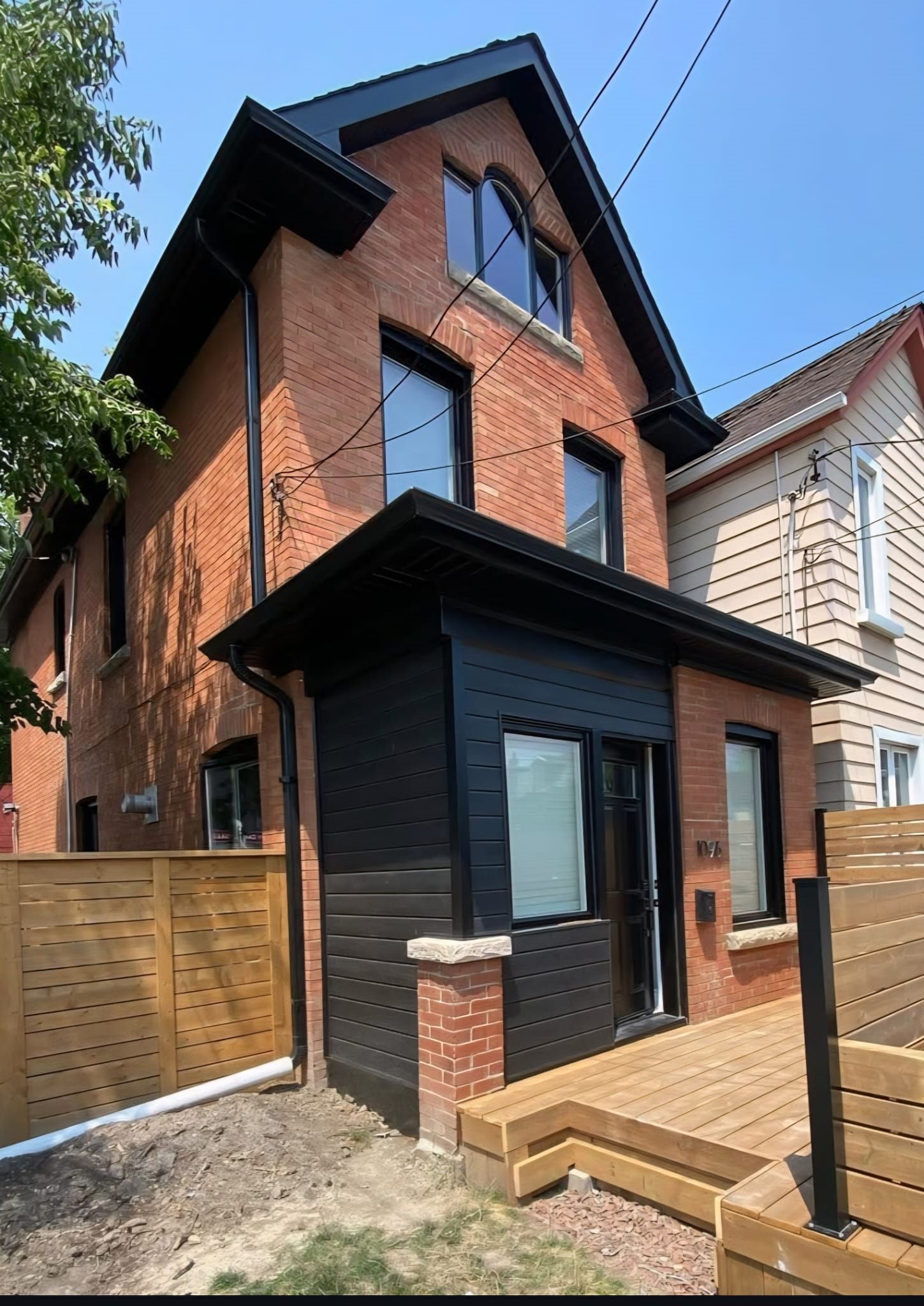
From jobs across Toronto and the GTA, here's how I explain Fiber Cement (Hardie) Siding in plain terms to homeowners. Fiber cement siding—often called Hardie board—is one of the most durable exterior cladding choices for homeowners who want a crisp, finished look with strong resistance to weather. But like any rigid cladding system, it rewards correct detailing and punishes shortcuts. In Toronto & the GTA, the long-term performance comes down to moisture control, joint planning, and how the siding integrates with windows, doors, and the roofline. This article explains when fiber cement is a smart choice, what a proper installation looks like, and how to evaluate quotes so you get durability and a finish you’ll be proud of.
Reviewed by VARA Contracting
VARA Contracting
Last reviewed or updated: 2026-04-05T08:37:02.871Z
This guide is written from the installer’s perspective so homeowners can compare real service scope, local context, and project proof before booking.
Keep this guide connected
Related project proof
Townhome And Multi-Unit Siding Upgrade With Staged InstallationQuick answer
When I'm on a job in Toronto or the GTA, this is what I focus on first. Fiber cement siding is a premium option when you want a stable, durable façade with sharp lines and strong resistance to fire, pests, and weather. For Toronto & the GTA, it’s a great fit for homeowners who want a long service life and don’t want the seasonal movement you see in some wood products. The “catch” is that fiber cement is rigid and detail-sensitive. Joint spacing, flashing, and edge protection matter. If the installer ignores manufacturer clearances or relies on caulking instead of layered water management, the system can develop premature paint problems, moisture staining, or cracking at joints. A quality installation includes correct wall preparation, properly detailed weather-resistant barrier, correct fasteners, planned joint layout, and thoughtful trim strategy. You should see clear scope on: starter details, corner treatments, window/door transitions, and how cut edges are sealed. When these details are done correctly, fiber cement delivers a high-end look that stands up well to Canadian weather.
Key takeaways I give Toronto & GTA homeowners
Fiber cement is durable and stable, but installation details control long-term performance.
Joint planning, flashing, and clearances matter more than homeowners expect.
A “paint-ready” finish still depends on correct cut-edge sealing and moisture management.
Ask for a defined trim strategy: corners, window surrounds, and band boards should be planned—not improvised.
Toronto freeze/thaw conditions make water management at transitions essential.
Rigid cladding punishes shortcuts—avoid vague quotes with unclear flashing scope.
Good installs include proper fasteners, spacing, and attention to manufacturer requirements.
Choose experienced installers for fiber cement; it’s not the same as vinyl.
Fiber Cement (Hardie) Siding in Toronto & the GTA: what this service covers
As an installer working across Toronto and the GTA, I keep the focus on durable details and clean finishes. When people search for “Fiber Cement (Hardie) Siding” they’re usually trying to solve a real problem—protection, comfort, appearance, or all three. For homes across Toronto & the GTA (including Etobicoke, North York, Scarborough, York, Mississauga, and Burlington), the best results come from combining good materials with good details. That means thinking beyond the surface finish and focusing on how water sheds, where air leaks happen, and how transitions are built. Our goal is to give you an exterior solution that looks intentional and performs well in everyday weather. We’re careful with alignment, fastening, sealing, and the small finishing details that separate an “okay” job from one that still looks great years later.
Common reasons homeowners call me in Toronto & the GTA
Weather exposure (wind-driven rain, freeze/thaw cycles, UV, and temperature swings)
Wear-and-tear from time, settling, and normal use
Small gaps that let in drafts, moisture, or pests
Cosmetic aging (fading, chalking, stains, or uneven finishes)
Paint failure from poor prep or moisture
Edge swelling where water is trapped
Improper clearances near grade
You want a clearer understanding of what’s urgent vs. what can wait
You want a clean, finished look with details that match the rest of the home
What’s included with Fiber Cement (Hardie) Siding
From my roofing and siding work across Toronto and the GTA, here is the practical way I look at this. Every property is a little different, so the exact scope depends on what we see onsite. That said, most projects follow the same practical checklist so nothing important gets missed. We start by looking at the condition of the surrounding materials (not just the obvious problem spot). That helps us avoid a patch that looks good today but fails again later because the root cause wasn’t addressed. From there, we confirm the best approach—repair, partial replacement, or full replacement—then execute with attention to sealing, fastening, and clean transitions. If there are choices to make (materials, profiles, colors, upgrade options), we’ll explain them in plain language and keep the decision-making easy.
Materials, options, and finishing details
In Toronto's climate, I explain it this way to homeowners so expectations stay clear. If you’re comparing options, focus on three things: **(1)** how much maintenance you want to do, **(2)** how the material behaves with temperature and moisture, and **(3)** how the finished details will look on your specific home. In many cases, you can get a major visual upgrade just by improving the transitions—corners, trims, penetrations, and edges—even if you keep the base material simple. That’s also where many leaks and failures start, so it’s a win for performance too. Options we commonly discuss (scope-dependent): vinyl siding, fiber cement siding, wood siding, composite/engineered siding, trim and capping, pre-finished fiber cement, site-painted systems, board-and-batten looks. If you already have existing materials you want to match, tell us early. We’ll help you set realistic expectations about color fade, product availability, and the difference between an exact match vs. a clean complementary look.
Planning checklist I use on Toronto & GTA jobs
Take a few photos of the problem area (wide shot + close-ups) to speed up quoting
Note when you first noticed the issue and whether it changes with rain/wind
Check access: gates, narrow side yards, parking constraints, and pets
Decide what matters most: lowest maintenance, best durability, or a specific look
If you’ve had previous repairs, share what was done (and when)
Ask about sequencing if you’re doing multiple exterior upgrades this year
If you’re selling soon, mention timelines so we can prioritize visible impact
If you’re staying long term, we can prioritize durability and easier upkeep
Cost and timeline factors (what actually changes the quote)
As an installer working across Toronto and the GTA, I keep the focus on durable details and clean finishes. Because every home is different, it’s more useful to understand what drives cost than to rely on generic price ranges. The biggest factors are usually access (height and complexity), how much prep is needed, and whether there’s hidden damage under the surface. Material selection matters too—not only the product itself, but the finishing system around it: trim profiles, corners, flashing, sealing, and any required repairs to the substrate. Weather and scheduling play a role in timelines. We plan work to avoid rushing details, because a calm, methodical install is often the difference between a job that looks good for a season and one that performs for years. If you want an estimate quickly, the best path is to book online and include photos plus a short description of what you’re noticing. We’ll confirm next steps and move things forward.
Maintenance tips for Toronto & GTA weather
On Toronto & GTA projects, I look for the same basics every time: exposure, drainage, and clean transitions. Exterior work lasts longer when it gets a little attention each year. You don’t need a complicated routine—just a quick seasonal check and a couple simple habits. Here are our go-to tips: • Rinse siding seasonally to remove road salt, pollen, and grime • Keep vegetation trimmed back to improve airflow and reduce staining • Inspect caulking at penetrations (lights, vents) each spring/fall • Address loose panels quickly to avoid water getting behind the system If you ever notice something new—an unexplained stain, a draft, or a small gap—addressing it early is usually easier and less expensive. Small exterior issues can become bigger ones if moisture keeps working behind the scenes.
Common mistakes that cause callbacks (and how to avoid them)
From my roofing and siding work across Toronto and the GTA, here is the practical way I look at this. The most common fiber cement issues come from ignoring clearances and edges. Installing too close to grade, roofs, or decks can create moisture wicking and staining. Another frequent problem is inconsistent joint gapping or poorly planned butt joints, which can lead to visible cracking or uneven paint lines. Cut edges and penetrations need to be treated carefully. If cut edges are left exposed or not sealed properly, moisture can enter and affect the finish over time. Rushing the trim plan is also risky—fiber cement looks best when the trim approach is consistent and lines are straight. Finally, beware of “over-caulking” as a strategy. Sealant has a role, but the primary defense should be correct flashing and a clear drainage path. In the GTA’s weather swings, sealant alone will not hold up as the only barrier.
How to compare quotes for this type of project
When I'm on a job in Toronto or the GTA, this is what I focus on first. When comparing fiber cement quotes, look beyond the board price and focus on the details that keep the system dry and straight. A good quote clearly lists board type/profile, trim plan, joint treatment method, flashing scope, and how cut edges are handled. Ask for clarity on: where they will use metal flashing; how windows and doors are transitioned; and what happens at roofline intersections. Also confirm whether removal and repair of damaged substrates is included, and how they handle discoveries during tear-off. Because fiber cement is detail-sensitive, the best value is often the team that shows you a clear plan and a clean finish standard—not the lowest line item.
Notes from the installer (Toronto & GTA)
As a roofer and siding installer, when I am on site for Fiber Cement (Hardie) Siding work in Toronto and the GTA, the first thing I look at is how water moves around the home. Wind-driven rain and freeze/thaw cycles find every weak seam, so I do a quick exposure check: the walls that take the most weather, where downspouts dump, and how trim and flashing are detailed. Those observations tell me if we need extra flashing, wider clearances, or a different sealant approach. I also plan the schedule around temperature swings because cure times and install tolerances matter. We stage materials so they stay dry, protect landscaping and walkways, and I check every transition twice before we close it up. If I think we might find damaged sheathing or rot once we open the surface, I talk about it early so there are no surprises later. Before I start any job, I want the homeowner to know exactly what is included and how to maintain it after. I take before-and-after photos, explain what we fixed, and leave a simple upkeep list. That record helps with resale and future service decisions. Before I come out, it helps if you: - Take wide and close-up photos and note the problem areas. - Record when issues appear (after rain, during wind, or in winter). - Tell me about access constraints like gates, tight driveways, or pets. - Decide your top priority: durability, low maintenance, or a specific look. - Ask for a written scope covering prep, materials, and cleanup.
Questions I hear from Toronto & GTA homeowners
Do you work across Toronto & the GTA?
Yes—our work is focused on Toronto & the GTA (including Etobicoke, North York, Scarborough, York, Mississauga, and Burlington). If you’re not sure whether your address is in our service area, the fastest way is to use the online booking form and add your postal code. We’ll confirm availability and the best next step.
How do I know whether I need a repair or a full replacement?
A good rule of thumb: if the problem is localized (a few damaged areas) and the surrounding materials are still sound, a repair is usually the smart first move. If you’re seeing repeated failures, widespread aging, or moisture issues across multiple areas, replacement may be more cost-effective long term. We’ll walk you through options after a quick assessment.
Can you match what I already have?
We do our best to blend repairs and replacements with existing materials. Exact matches aren’t always possible (especially when products have changed over time), but we aim for a result that looks intentional and clean. When a perfect match matters, we’ll explain realistic options up front.
What affects price the most?
Scope and access are big drivers: the size of the area, height and complexity, the condition of what’s underneath, and how many details (corners, penetrations, transitions) are involved. Material selection and any necessary prep work also matter. The best estimates come from seeing the site conditions.
How long does a typical project take?
Many projects can be completed in a day or a few days, but timelines depend on scope, weather, and material availability. We’ll give you a clear schedule expectation so you can plan around it.
Will the work be noisy or disruptive?
Some noise is normal for exterior work, but we keep disruption reasonable: we protect access paths, keep materials organized, and clean up daily when a project spans multiple days. If you have specific constraints (pets, parking, shift work), tell us and we’ll plan around it.
Do you offer maintenance tips after the job?
Absolutely. We’ll share simple, homeowner-friendly steps you can do seasonally to keep things looking good and performing well. Preventive maintenance is usually cheaper than emergency repairs.
Do I need a permit?
Permits can be required depending on the scope and what’s being changed. Requirements vary by municipality and project type. If permits may apply, we’ll flag it early and help you understand the next steps before the work begins.
Is siding mostly about looks, or performance too?
Both. Siding/cladding is your first line of defense against weather, but it also influences airflow, drying potential, and how moisture is managed at seams and penetrations. Good details matter as much as the material.
What’s the biggest mistake homeowners make with siding?
Delaying small issues. A loose panel, failed caulk line, or unsealed penetration can allow water behind the system. Fixing it early is usually simpler and less expensive.
Is fiber cement siding good for Toronto winters?
Yes. Fiber cement performs well in freeze/thaw climates when installed with correct clearances and moisture management. The key is preventing water from sitting at edges and ensuring transitions are flashed so water drains out.
Does fiber cement require maintenance?
Any exterior needs maintenance over time. With fiber cement, you’ll mainly monitor sealant joints, paint/coating condition, and any areas where water concentrates (roofline intersections, window trim, and near grade).
Can fiber cement be installed over existing siding?
In many cases, full removal is recommended so the wall can be inspected and properly detailed. Installing over existing materials can hide substrate issues and complicate flashing—two things that matter a lot for rigid cladding systems.