Siding Installation in Toronto: Materials, Moisture Control, and a Clean-Finish Checklist
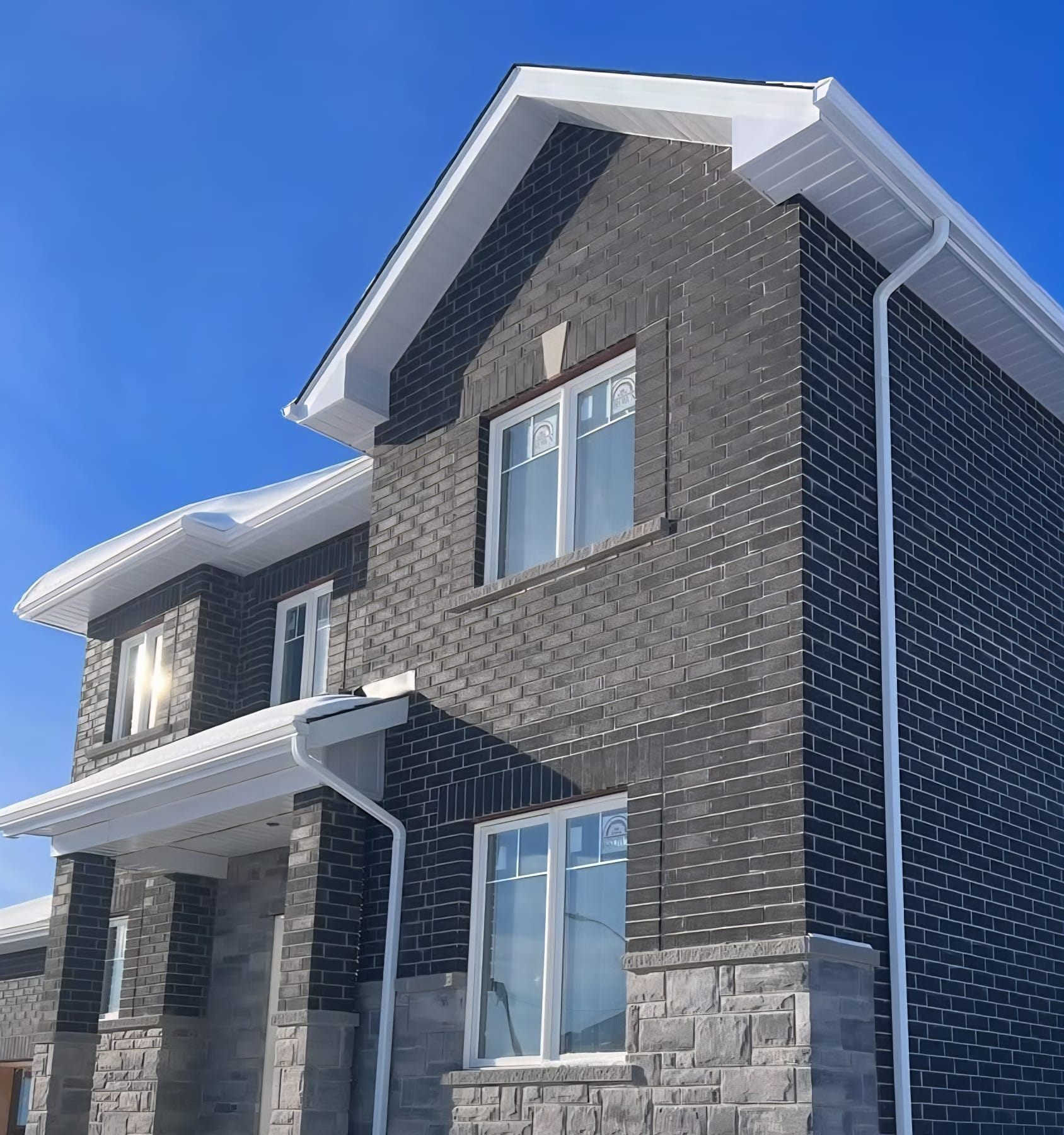
A detailed homeowner guide to siding installation in Toronto & the GTA—materials, wall prep, flashing, moisture control, timelines, and how to compare quotes.
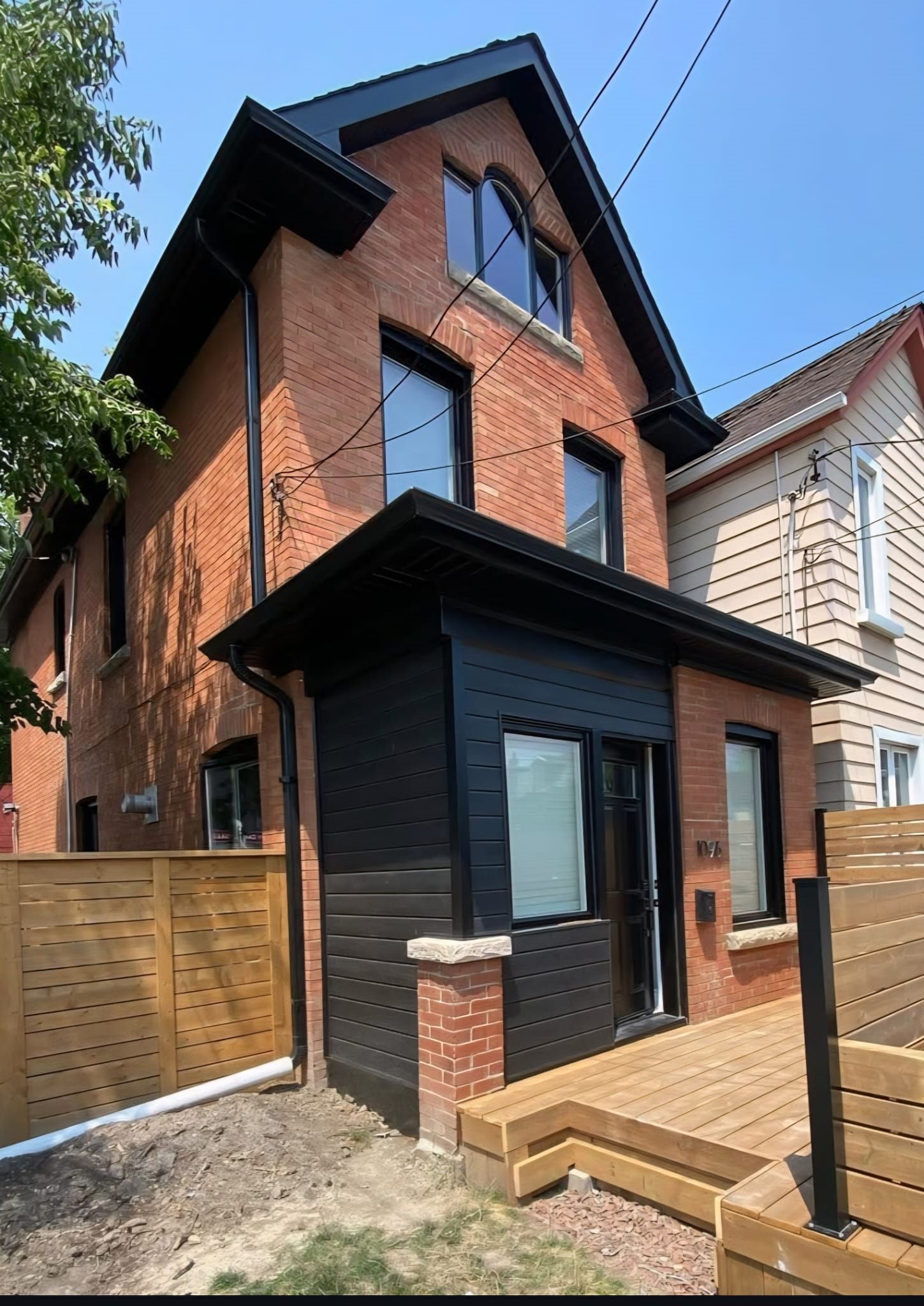
This case study focuses on siding work across a more repeated exterior layout, where consistency from section to section matters just as much as the finish of any single wall. It is useful for townhome owners and property managers comparing staged siding scopes.
For homeowners and property managers evaluating siding work on attached homes, this case study gives a more realistic picture of how staged installation can still lead to a clean, unified exterior result.

On townhomes and multi-unit exteriors, inconsistent staging shows up quickly. If the install sequence, panel lines, or finish details drift from one section to another, the whole elevation can start to look uneven.
The value in a case study is seeing what was failing, why the scope was planned the way it was, and which details made the finished result worth paying for. That is what this page is here to show.
Coordinate siding work across a repeated exterior layout.
Keep the installation sequence controlled while sections were still in progress.
Finish the visible elevations so the overall exterior looked consistent.
Show how staged siding work can still deliver a clean final face.
Siding panels suited to multi-unit elevations
Trim and transition accessories
Fastening and staging materials for active install phases
Finishing components for a more consistent exterior line
We treated the exterior as a connected system instead of a collection of unrelated wall sections.
That meant controlling the install sequence and checking how each active section would line up visually with the next.
The during photos are important here because they show the reality of staged work before the finished cladding closes everything in.
The completed elevations show the benefit of consistency across the full frontage.
Townhome siding projects should be judged on consistency across the whole elevation, not just one finished section.
During-stage proof is useful for showing whether the project stayed organized as it moved along.
This kind of case study helps attached-home owners compare scopes more confidently.
If your property is in or near Toronto, use the city page to compare local coverage, nearby areas, and service links tied to this kind of work.
View TorontoThese images sit beside the project notes so you can compare the workmanship and the explanation in one place.

Siding Installation & Replacement project in Toronto with attention to the finish details homeowners usually inspect first.

Siding Installation & Replacement project in Toronto with attention to the finish details homeowners usually inspect first.

Vinyl Siding Installation project in Toronto with attention to the finish details homeowners usually inspect first.

Composite / Engineered Siding project in Toronto with attention to the finish details homeowners usually inspect first.
Why are townhome siding projects different from a single detached home?
Because consistency across repeated sections matters more, and the staged install has to look organized even before the final finished panels are all in place.
What should homeowners and managers look for in multi-unit siding proof?
Look for straight lines, repeatable detailing, clean transitions, and progress photos that show the contractor can manage staged exterior work without the job becoming uneven.
If you want planning advice to go with the project photos, start here. These guides answer the practical questions homeowners usually ask before they book.

A detailed homeowner guide to siding installation in Toronto & the GTA—materials, wall prep, flashing, moisture control, timelines, and how to compare quotes.

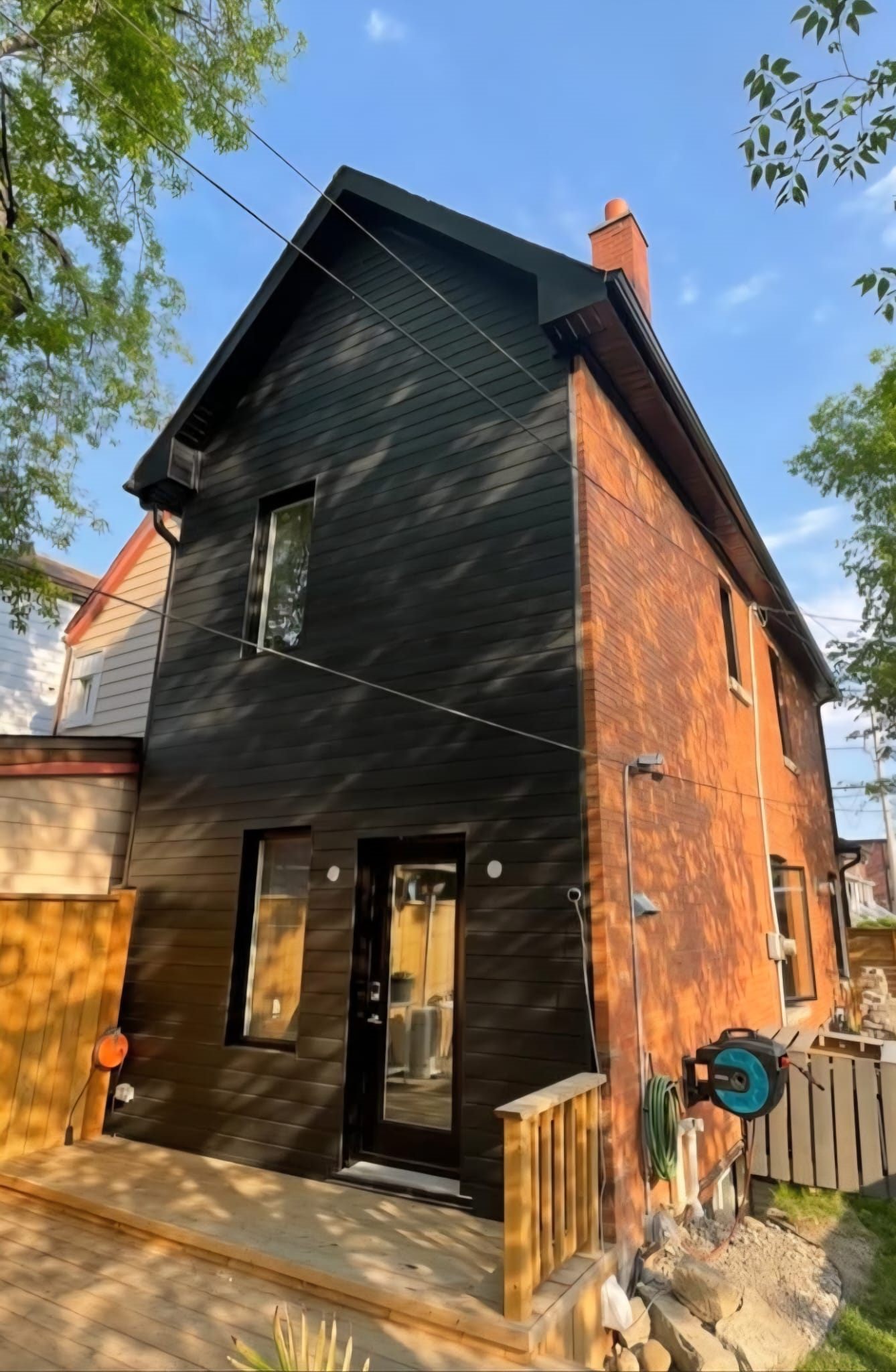
Learn when fiber cement (Hardie) siding makes sense in Toronto & the GTA, how it’s installed, common mistakes to avoid, and what impacts durability and finish quality.

A detailed guide to siding repair in Toronto & the GTA—how to spot storm damage, loose panels, leaks, and rot, plus what a proper repair scope should include.